
Most people start planning a home theater by researching equipment. They compare televisions, read reviews on receivers, and debate speaker brands long before they have thought seriously about the room itself. That sequence of decisions is one of the most common and most costly mistakes in the entire process, because the room shapes every equipment decision that follows, and changing course after purchases are made is an expensive lesson most homeowners would prefer to avoid.
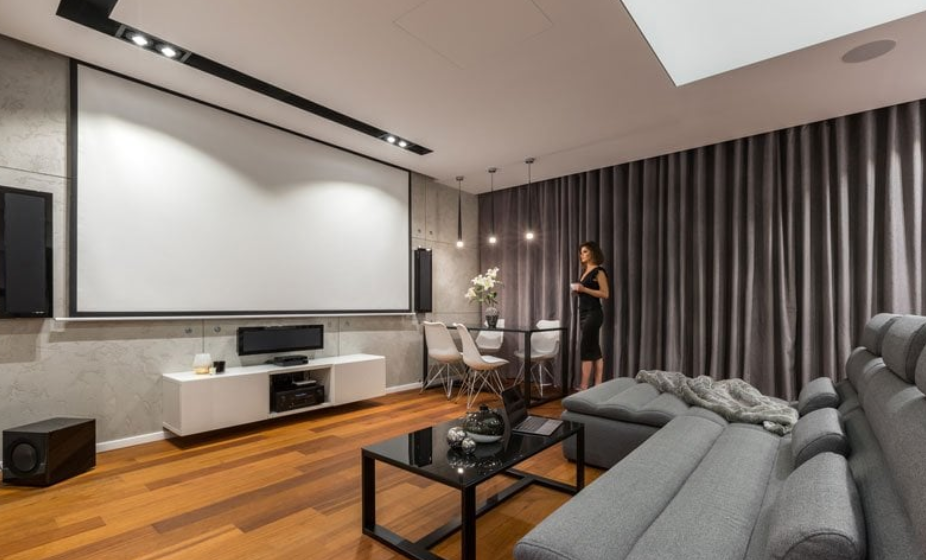
Designing a Home Theater That Grows with Your Family
The best home theaters are not just built for the technology available today. They are designed with enough flexibility and foresight to accommodate how a family actually uses the space over time. Homeowners exploring options for home theater Frisco will find that intentional early planning produces a space that feels custom, performs beautifully, and adapts gracefully as needs and technology evolve.
The Room Itself Is the First and Most Important Variable
First and foremost, the dimensions, shape, and existing characteristics of the room chosen for a home theater determine what is realistically achievable with any budget. Room width affects speaker placement and surround sound geometry. Ceiling height influences screen size options and projector throw distances. Existing windows, HVAC vents, and structural elements all shape the design in ways that equipment selection cannot override.
Dedicated Spaces Outperform Multipurpose Rooms Every Time
Furthermore, a room used exclusively as a home theater consistently delivers a better experience than one asked to serve double duty as a living room, playroom, or guest space. Dedicated spaces allow for seating optimized purely for viewing angles, lighting designed specifically for screen performance, and acoustic treatment applied without compromise. When a room serves multiple purposes, every design decision involves a trade-off that slightly diminishes the theater experience.
Seating Layout Deserves More Attention Than It Usually Gets
Another planning dimension that dramatically affects the finished experience is seating layout and tiering. A single row of seating positioned at the correct distance from the screen is straightforward, but households wanting multiple rows need to consider sight line geometry carefully. Without proper tiering, rear seats look over the heads of front row viewers at an angle that strains necks and misses the sweet spot of the audio system entirely.
Future Proofing Saves Significant Money Down the Road
Finally, running conduit, pre-wiring for additional speakers, and installing adequate power circuits during the initial build costs relatively little compared to retrofitting those same elements after walls are closed and finishes are applied. Technology evolves, families grow, and the home theater that feels complete today will almost certainly benefit from additions or upgrades within a few years. Building that flexibility into the original design is one of the smartest investments a homeowner can make in a space they plan to enjoy for a long time.
Conclusion: Designing a Home Theater That Grows with Your Family
To bring it all together, great home theater design starts with the room, commits to dedicated purpose where possible, plans seating layouts deliberately, and builds in flexibility for the future. Equipment matters enormously, but it performs best when the decisions that precede it are made thoughtfully and in the right order. Plan the space first, and the technology will have everything it needs to deliver exactly the experience you are building toward.
Recent Comments